Cost-Effective Road Surfacing Solutions for Urban Areas
Urban areas face unique challenges when it comes to road surfacing. High traffic volumes, frequent utility work, and budget constraints demand durable, affordable, and efficient solutions. This blog explores the most cost-effective road surfacing solutions, optimized for city environments.
Understanding Road Surfacing Needs in Urban Areas
Urban roads require robust surfacing contractors to ensure long-lasting surfaces that can withstand constant use. The right materials and techniques are crucial for minimizing maintenance costs and disruptions.
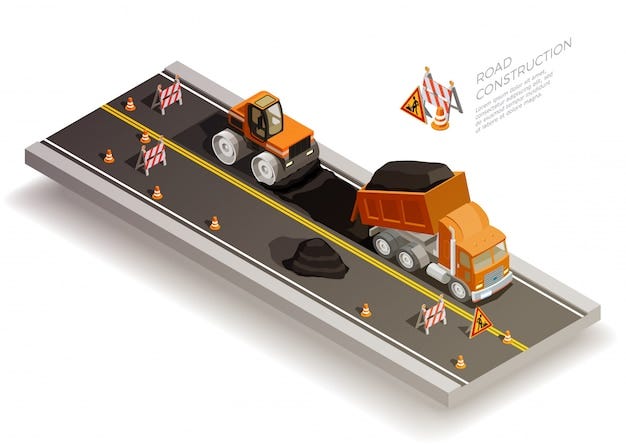
1. Asphalt: The Go-To Choice for Urban Road Surfacing
Asphalt is widely used in urban road surfacing due to its cost-effectiveness and durability. It provides a smooth, flexible surface that can handle heavy traffic and varying weather conditions.
Advantages of Asphalt
- Cost-Effective: Asphalt is relatively inexpensive compared to other materials.
- Quick Installation: Fast application reduces road closure times.
- Recyclable: Asphalt can be recycled, making it an environmentally friendly option.
Asphalt’s versatility also makes it suitable for various urban applications, from main roads to parking lots and landscaping projects.
2. Concrete: Durability Meets Longevity
Concrete is another popular choice for road surfacing in urban areas. While initially more expensive than asphalt, its longevity and low maintenance costs make it a cost-effective solution over time.
Benefits of Concrete
- Durability: Concrete surfaces can last 20–40 years with minimal maintenance.
- Strength: It can withstand heavy loads and intense traffic without deforming.
- Reflectivity: Light-colored concrete reduces urban heat island effects by reflecting more sunlight.
Concrete is ideal for high-traffic intersections, bus lanes, and areas where heavy-duty performance is required.
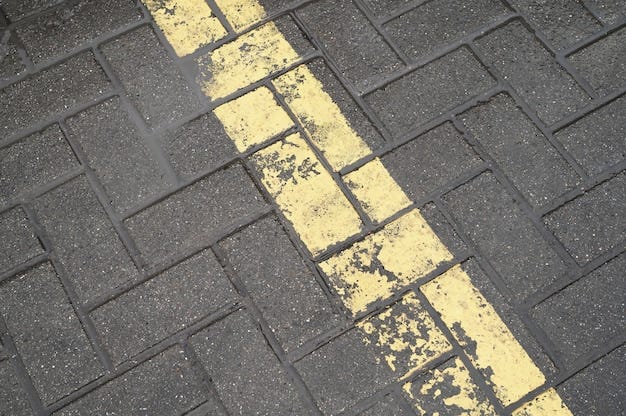
3. Recycled Materials: Sustainable and Cost-Effective
Incorporating recycled materials into road paving is an innovative approach to cost-effective road surfacing. Recycled asphalt, concrete, and other materials reduce costs and environmental impact.
Advantages of Using Recycled Materials
- Cost Savings: Reduced material costs lower overall project expenses.
- Environmental Benefits: Utilizing recycled materials reduces waste and resource consumption.
- Performance: Recycled materials can match or exceed the performance of new materials when processed correctly.
4. Cold Mix Asphalt: Ideal for Quick Repairs
Cold mix asphalt is a versatile solution for urban road maintenance. It’s especially useful for patching potholes and repairing minor damages quickly and cost-effectively.
Benefits of Cold Mix Asphalt
- Easy Application: Can be applied in various weather conditions without specialized equipment.
- Cost-Effective: Ideal for small-scale repairs, reducing the need for extensive resurfacing projects.
- Flexibility: Suitable for temporary or permanent repairs, depending on the situation.
Cold mix asphalt helps cities maintain smooth roads without significant investment in labor or materials.
5. Permeable Pavements: Addressing Urban Drainage Issues
Permeable pavements are becoming increasingly popular in urban areas due to their ability to manage stormwater effectively. They allow water to pass through the surface, reducing runoff and improving drainage.
Advantages of Permeable Pavements
- Water Management: Helps prevent flooding and reduces pressure on stormwater systems.
- Environmental Impact: Reduces pollutants carried by runoff, improving water quality.
- Durability: Suitable for light to moderate traffic areas, such as parking lots and pedestrian paths.
Role of Surfacing Contractors in Urban Road Projects
Surfacing contractors play a vital role in ensuring successful road surfacing projects. Their expertise in selecting appropriate materials and methods can significantly impact the longevity and cost-effectiveness of urban roads.
6. Cost-Benefit Analysis: Making the Right Choice
Choosing the right road surfacing solution requires a careful cost-benefit analysis. Factors to consider include initial costs, maintenance expenses, traffic volume, and environmental impact.
Considerations for Cost-Effective Solutions
- Traffic Load: Heavier traffic areas may benefit from more durable materials like concrete.
- Maintenance Needs: Low-maintenance options, such as recycled materials, can reduce long-term costs.
- Environmental Impact: Sustainable materials and methods can offer long-term savings and environmental benefits.
Conclusion: Optimizing Road Surfacing for Urban Areas
Urban road surfacing requires a strategic approach to balance costs, durability, and environmental impact. By leveraging cost-effective solutions like asphalt, concrete, recycled materials, and permeable pavements, cities can maintain smooth, safe roads while managing their budgets effectively.
Engaging experienced surfacing contractors ensures that the chosen methods and materials are applied correctly, maximizing the lifespan and performance of urban roads. With the right strategies in place, urban areas can achieve sustainable, cost-effective road surfacing solutions that meet the demands of modern city life.


Comments
Post a Comment